Your Home's First Line of Defense: A Guide to Maintaining Chimneys and Brickwork
The classic brick facade, a sturdy chimney, or a beautifully crafted stone stoop—these are features that give our homes in New Jersey their timeless character. They stand strong against harsh winters and sunny summers, but even the most robust masonry needs care to last a lifetime. Over time, exposure to the elements can lead to deterioration that, if ignored, can turn small, manageable issues into costly and complex structural problems.
Understanding the signs of wear and knowing when to act is key to protecting your home's value, safety, and structural integrity. This guide will walk you through the essentials of chimney and brickwork maintenance, helping you spot potential problems early and understand the best ways to address them.
Spotting the Early Warning Signs of Masonry Damage
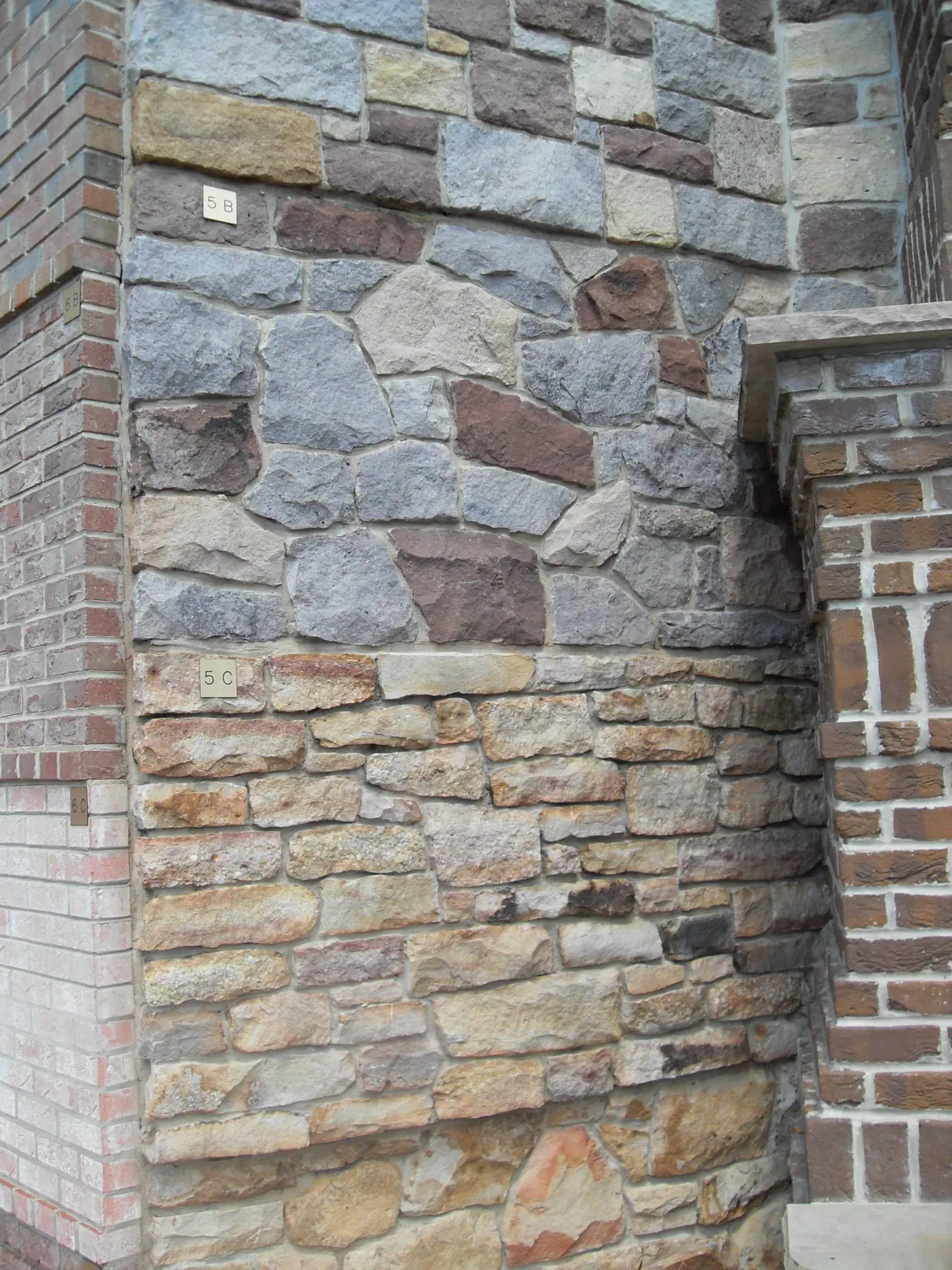
Regularly inspecting your home's exterior is the best way to catch masonry issues before they escalate. You don't need to be an expert to spot the most common red flags. Grab a pair of binoculars and take a walk around your property, paying close attention to your chimney, brick walls, and any stonework. Here’s what to look for:
- Cracked or Crumbling Mortar: The mortar is the “glue” holding your bricks or stones together. If you see gaps, cracks, or sandy, crumbling joints, it’s a clear sign that the mortar is failing. This allows water to seep in, which is the primary cause of more severe damage.
- Spalling or Flaking Bricks: Is the surface of your brick flaking, peeling, or popping off? This is called spalling, and it happens when water gets inside the brick, freezes, and expands, forcing the face of the brick to break away. It's a serious sign of moisture penetration.
- White, Powdery Stains (Efflorescence): Have you noticed a chalky white substance on your brickwork? This is efflorescence, which occurs when water moving through the masonry dissolves natural salts and deposits them on the surface as it evaporates. While often cosmetic, it’s a clear indicator that water is getting into your walls where it shouldn't be.
- Leaning or Bulging: Any noticeable leaning in your chimney or bulging in a brick wall is a critical issue that requires immediate professional attention. This indicates a potential structural failure that could be a significant safety hazard.
Why Water is Masonry's Biggest Threat
In our region, the freeze-thaw cycle is the number one enemy of brick, stone, and concrete. The process is simple but destructive:
- Absorption: Water from rain and melting snow penetrates porous masonry materials through failing mortar joints or cracks.
- Freezing: When temperatures drop, this trapped water freezes and expands by about 9%, exerting immense pressure from within.
- Thawing: As it thaws, the water settles deeper into the newly created cracks and voids.
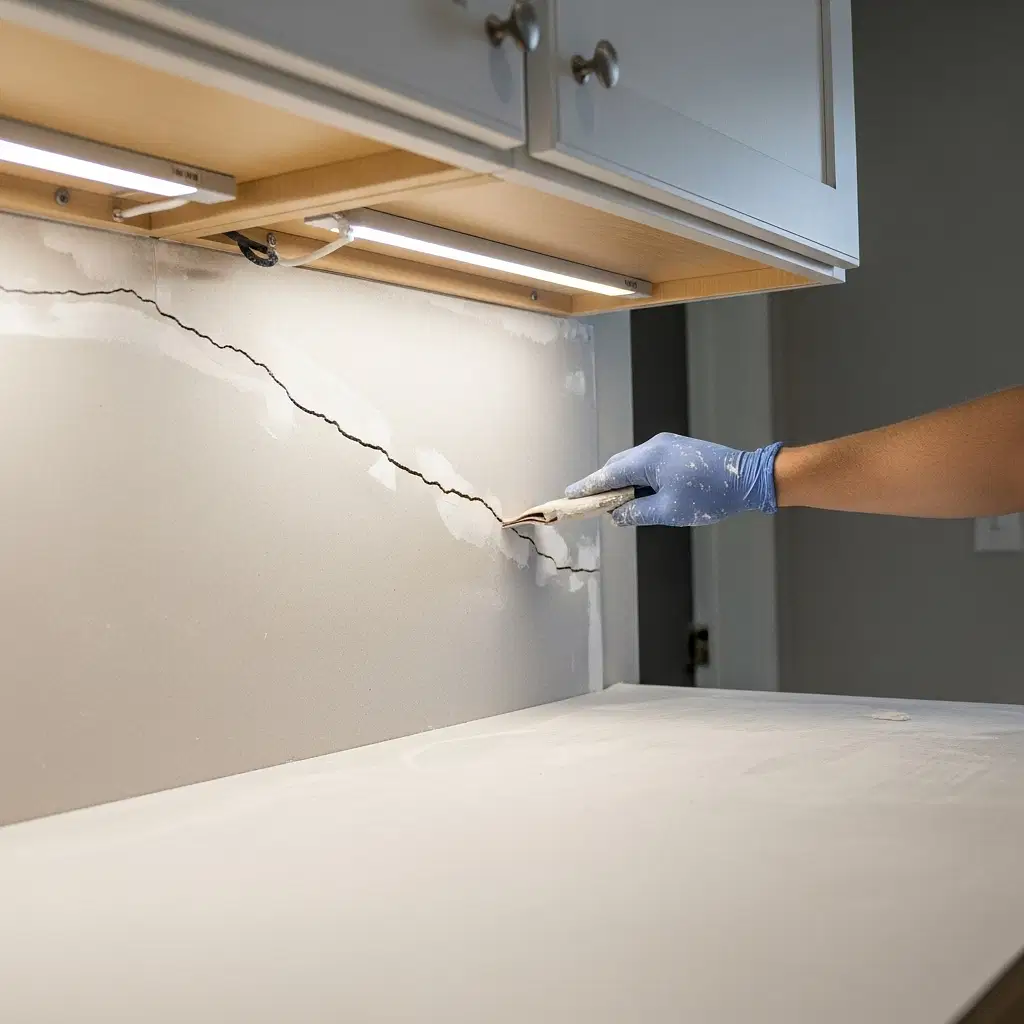
Repeated over a single winter, this cycle can break down mortar, shatter bricks, and compromise the entire structure. Preventing water intrusion is the single most important aspect of masonry maintenance. A professional inspection can identify vulnerable areas and recommend solutions like waterproofing or repairing a damaged chimney crown to stop water from getting in at the source.
The Professional Approach to Lasting Repairs
While identifying problems is the first step, performing the right repairs is crucial for a long-term solution. This is where high-quality craftsmanship and materials make all the difference. A professional mason will not only fix the visible damage but also address the underlying cause.
Key professional services include:
- Tuckpointing and Repointing: This is the process of carefully removing old, deteriorated mortar and replacing it with new, properly formulated mortar. This restores the structural integrity of your brickwork and is one of the most effective ways to stop water intrusion.
- Chimney Repair: From rebuilding a deteriorating stack to repairing the crown and flue liner, ensuring your chimney is in top condition is vital for your home's safety and efficiency.
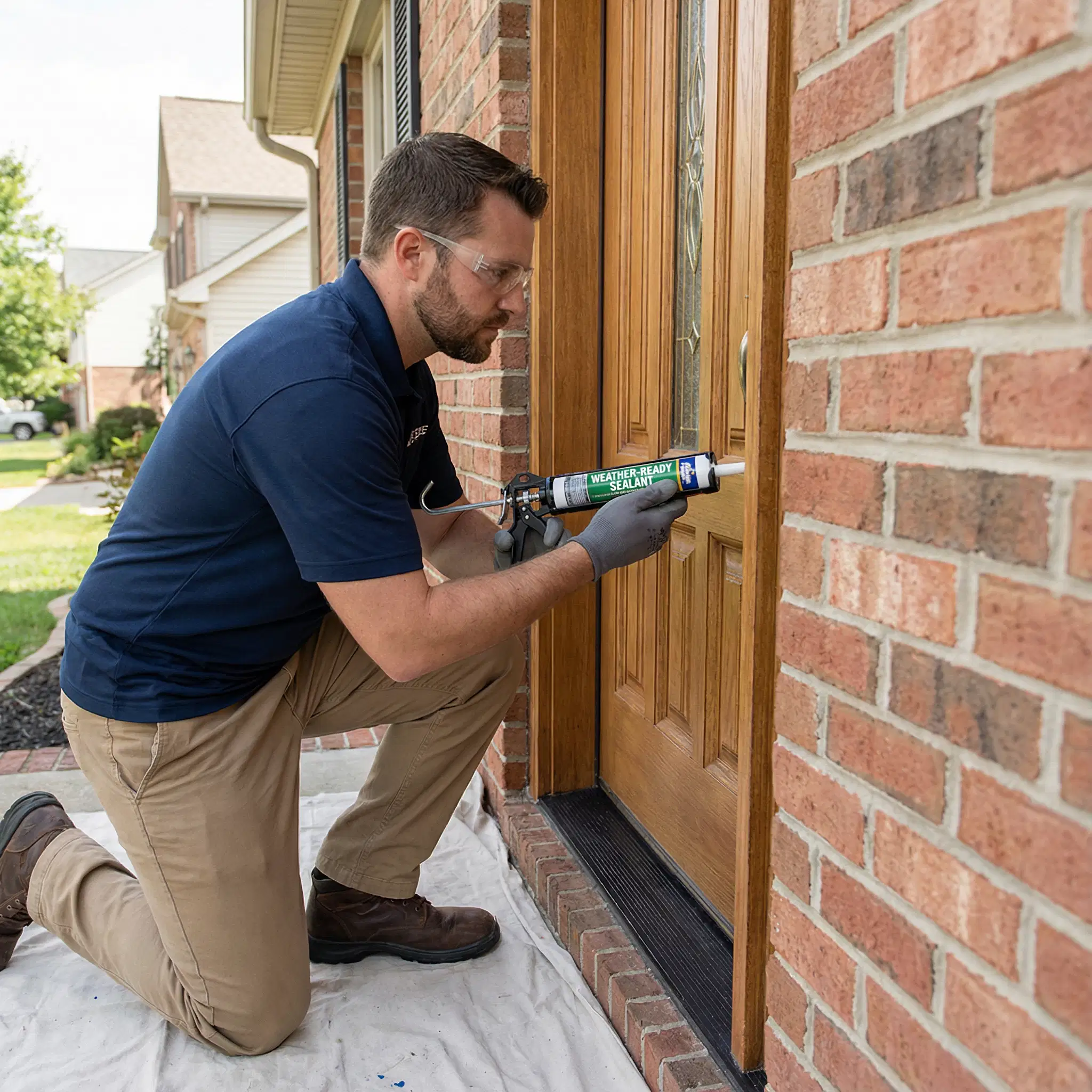
- Waterproofing: After repairs are made, applying a professional-grade, vapor-permeable sealant can provide an extra layer of defense against moisture without trapping existing water vapor inside.
- Structural Repairs: For more advanced issues, a skilled contractor can provide solutions for stabilizing walls and foundations, often using specialized blockwork or reinforced concrete.
Whether you have a historic brownstone or a modern home with stone accents, the principles of maintenance are the same. Regular care for your stonework ensures it remains a beautiful and durable feature of your property for decades to come.
Protect Your Investment with Expert Masonry Care
Your home's masonry is more than just a facade; it's a critical part of its structure and a major contributor to its curb appeal. Proactive maintenance is the most cost-effective way to prevent small issues from becoming major headaches, ensuring your home remains safe, beautiful, and valuable.
If you've noticed any of the warning signs on your property or simply want a professional evaluation, don't wait for the damage to worsen. The team at Portela Home Improvements LLC brings years of experience and a commitment to high-quality craftsmanship to every project. We specialize in repairing and restoring chimneys, brickwork, blockwork, and stonework. Contact us today for a comprehensive inspection and a free, no-obligation quote to keep your Hopatcong-area home in pristine condition.